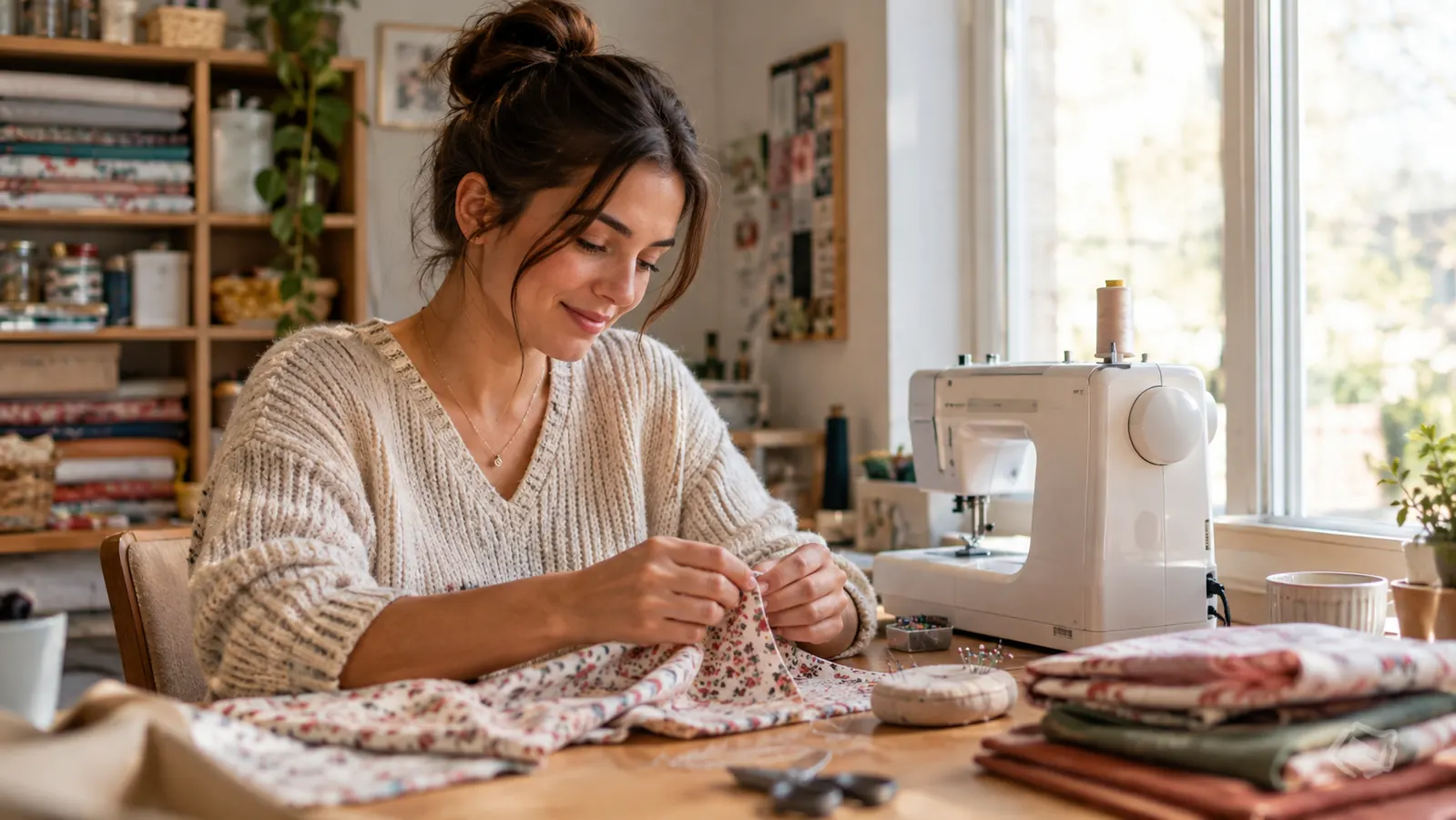
I am Paula, and I spent years treating my sewing machine like a visitor. It lived in the closet, came out for Halloween costumes, and went back in when the thread snarled. Then I put a SINGER 4423 on the spare bedroom table that doubles as my craft space, and it stopped being a visitor. It became the tool I reach for when a card needs a stitched edge, when a hem gives up, or when I want to make something for a friend instead of buying it. Here are 10 reasons it earns its spot on your craft table too.
A machine that stays out on the table, not in the closet
The SINGER 4423 is the heavy duty model I keep within arm's reach for mending, quilting, and craft projects. Check today's price on Amazon to see if it fits your craft room budget.
Amazon Check Today's Price on Amazon →It sews through the layers a craft table actually collects
Denim, canvas, two layers of quilt batting, a folded towel that needs a quick repair. The SINGER 4423 has a heavy duty metal frame and a strong motor, so it pushes through stacks that made my old plastic machine stall. I stopped sorting projects into easy and hard. Last month I patched a pair of my husband's work jeans, four layers of denim at the knee, and the machine walked through them without a groan. My old machine would have skipped stitches and thrown the timing off by the second pass.
The speed control lets me sew slowly on purpose
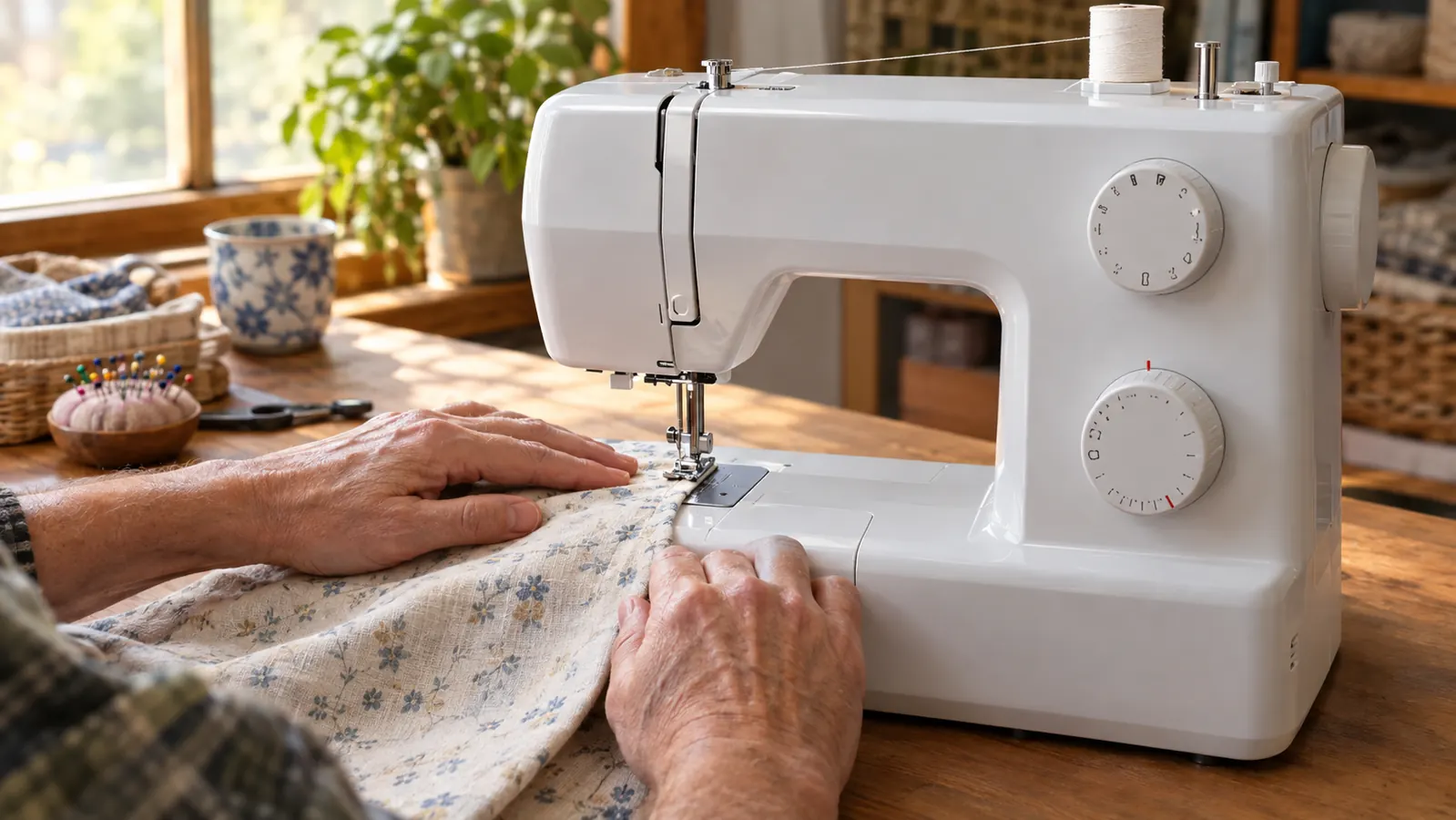
My hands are not as steady as they were twenty years ago, and my right thumb complains after a long afternoon. The adjustable speed control on the SINGER 4423 means I can creep along a curve or a corner without the pedal deciding the pace. Slow sewing is still sewing. When I topstitched a set of four linen napkins in March, I set the speed low and let the machine take its time around each corner. Not one corner pulled or puckered, and I finished without my thumb aching the way it does after a long day of grading papers used to leave it.
It mends things instead of sending them to the donate pile
A torn seam on a favorite shirt, a curtain that caught on the rod, a tote bag handle pulling loose. Fifteen minutes at the machine and the thing is back in rotation. I have saved more money on repairs than I like to admit, and I like to admit a lot. Last week it was a canvas grocery bag with a handle that had pulled halfway off. I folded the strap back, ran a double row of straight stitches, and it held a full load of produce on the walk home from the market. That is the kind of small win that keeps a hobbyist sewing.
Straight stitches look like they were drawn with a ruler
The SINGER 4423 lays down a clean, even straight stitch on cotton, linen, and most of the blends I buy for craft projects. When I make a stitched card or a fabric bookmark, the line of stitching is the part people touch first. It looks intentional. I tested it on a fat quarter of quilting cotton with a 2.5 stitch length, and the seam came out ruler straight from the first inch to the last. My old machine wandered on the same fabric, and I used to blame my hands. Now I know the machine was part of the problem.
The needle threader spares my eyes and my patience
Threading a needle used to be the part of sewing I dreaded. The built in needle threader on the SINGER 4423 does the fiddly work in seconds. For anyone with tired eyes or less than perfect close-up vision, this feature alone justifies the space on the table. I keep a pair of reading glasses on the cart next to my machine, but with the threader I rarely need them. It took me one evening to get the hang of it, and now I can rethread in the middle of a project without muttering.
It turns fabric scraps into gifts people actually keep
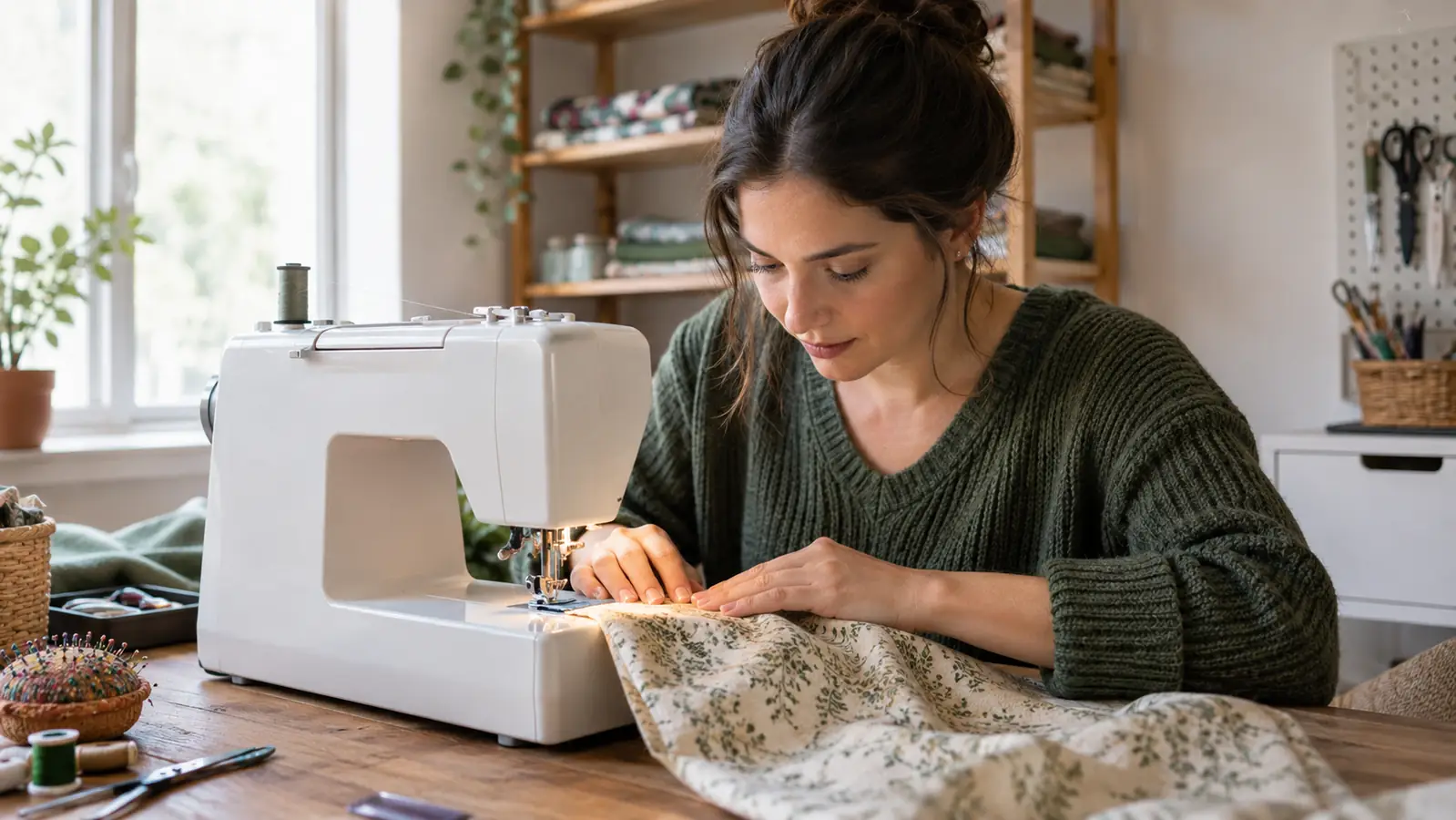
A drawstring bag, a set of cloth napkins, a zippered pouch for a friend's knitting needles. The SINGER 4423 makes these projects quick enough that I actually finish them. Handmade gifts stopped being a guilty fantasy and became the thing I do on a Sunday afternoon. In February I made six zippered pouches from scraps in my stash, one for each woman at craft night, and every single one got used. One friend texted me a photo of hers holding her glasses and reading glasses on her nightstand. That is the kind of proof that keeps me at the table.
The metal frame stays put when I need it to
My craft table is a folding table, and it wobbles. The SINGER 4423 is heavy enough that it does not dance across the surface when I sew at speed. I do not have to brace the machine with one hand while guiding fabric with the other. I did have to shim the table leg with a folded coaster, but that is the table's fault, not the machine's. Once the table was level, the machine sat solid through a whole afternoon of quilting without creeping a quarter inch.
Changing the presser foot takes seconds, not a search party
The SINGER 4423 comes with several presser feet, and swapping them is a simple lever release. I switch between a standard foot, a zipper foot, and a buttonhole foot without hunting for a screwdriver or a manual. That ease means I actually use the right foot for the job. The first time I put in the zipper foot, I timed myself: under two minutes from opening the drawer to sewing a test zipper into a scrap. On my old machine, changing feet meant a screwdriver, a lost screw, and a lot of language I do not use at craft night.
It handles the zigzag and stretch stitches I use on knits
T-shirts, jersey scraps, and the occasional pair of leggings with a split seam. The SINGER 4423 has the basic stretch and zigzag stitches that keep knit fabric from puckering. I do not need a drawer full of specialty machines. I need one machine that does the everyday stitches well. I hemmed a jersey t-shirt for myself in April, and the seam lay flat instead of rippling. That one success convinced me I did not need to buy a separate serger for the handful of knit projects I do each year.
It makes me want to sit down and sew
This is the honest reason. The SINGER 4423 is pleasant to use, so I use it. It starts when I expect it to, the stitches come out right, and the thread does not tangle into a nest every third seam. A tool that behaves makes the hobby happen. On a quiet Tuesday evening last month, I sat down to mend one pillowcase and ended up making a small drawstring bag from the leftover fabric. I did not plan it. The machine just made it easy to keep going.
What I'd Skip
I would skip the idea that you need every accessory in the box before you start. The SINGER 4423 includes a useful set of presser feet and bobbins, but I reach for the same three feet most weeks. I would also skip sewing on a surface that wobbles. The machine is heavy duty, and it deserves a table that does not shimmy. And I would skip any project that requires a machine with more decorative stitch options. This is a workhorse, not an embroidery studio. It does the everyday stitches beautifully and leaves the fancy ones to machines built for that job.
A tool that behaves makes the hobby happen. The SINGER 4423 is pleasant to use, so I use it.
Give your craft table a machine that earns its spot
The SINGER 4423 has been my everyday sewing companion for months of mending, gifts, and craft projects. Check today's price on Amazon and see if it belongs on your table.
Amazon Check Today's Price on Amazon →