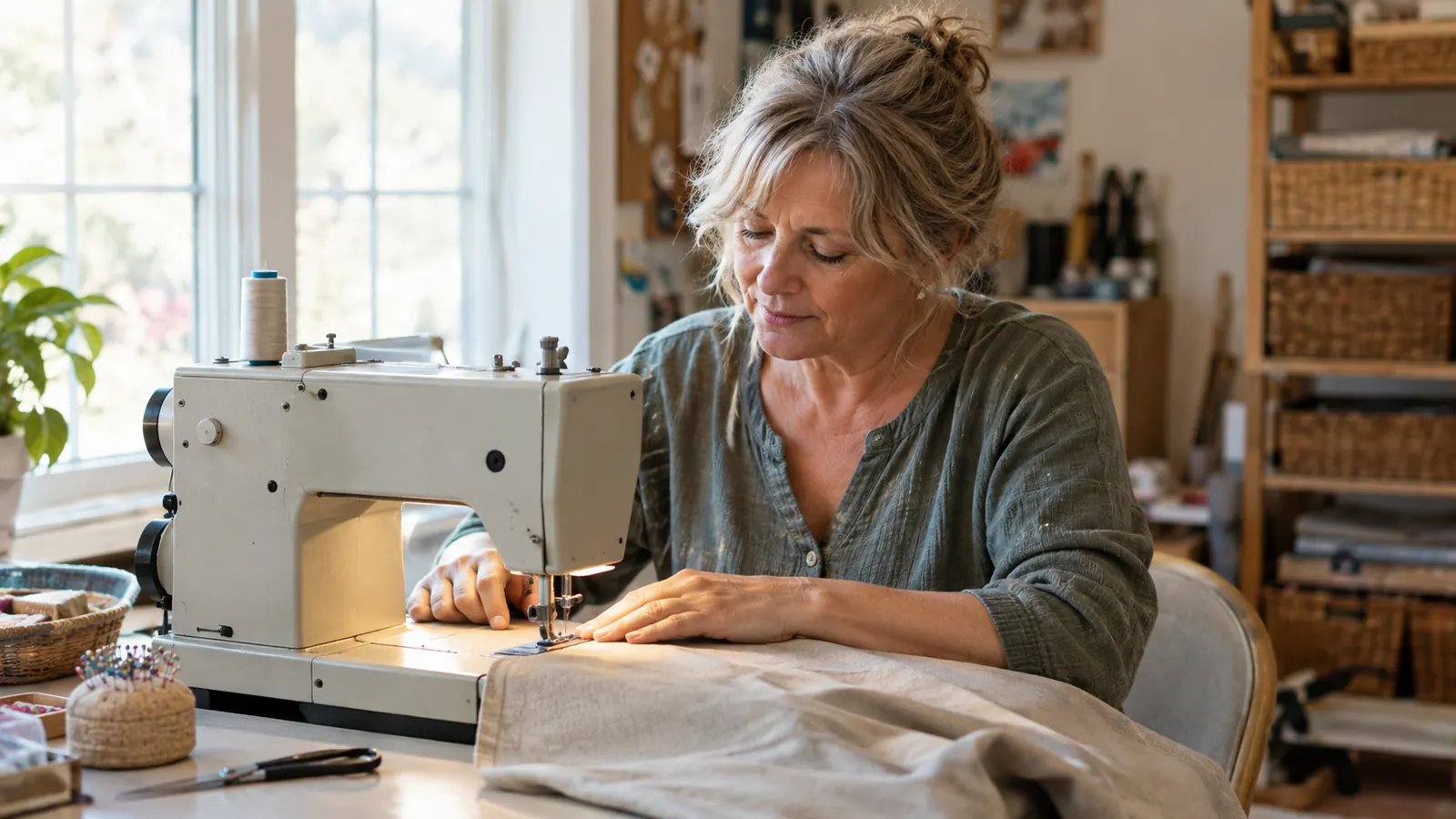
I have a confession. For years I told myself I was not a sewing person. I am Paula, I am 58, and I spent thirty years teaching middle school art, so I can talk about color and composition until the coffee runs out. But a sewing machine? That felt like a different club. My weekend crafting was card making, scrapbooking, a little painting, and a running argument with a hem I kept putting off. Then a friend loaned me her old machine, I made a mess of a pillowcase, and I finally understood what everyone meant about the right tool changing the whole mood of a project.
So when I decided to stop borrowing and start owning, I did what I do with every tool: I read too many reviews, asked two friends who actually sew, and then picked the Singer 4423 Heavy Duty because it kept coming up in the same sentence as the word metal. Metal frame, metal interior parts, metal everything. That sounded like the opposite of the plastic machines I remembered from school supply catalogs. I have mild arthritis in my right thumb, so I also wanted something that would not fight me on every seam.
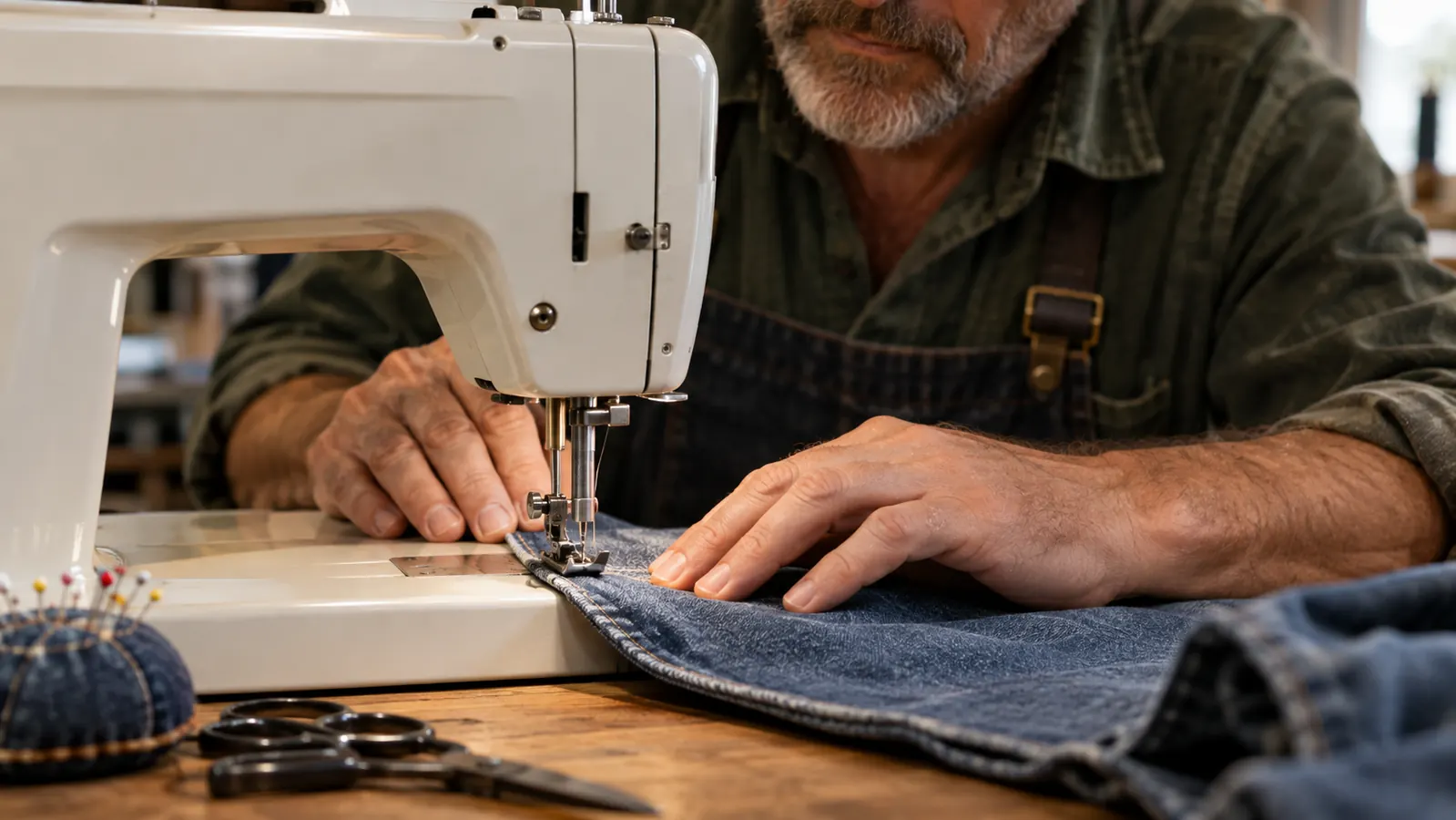
The Singer 4423 Heavy Duty has now been on my folding table for a full season of weekends. It has sewn through denim that made my old borrowed machine groan, it has sat unused for two weeks and started right up, and it has taught me that I was never bad at sewing. I was just using the wrong tool. Here is what that change actually looked like, in the order it happened.
The first thing I noticed was the speed. The Singer 4423 Heavy Duty sews up to 1,100 stitches a minute, which sounds like a spec sheet until you are hemming a table runner and it is done before you finish your coffee. For a hobbyist who mostly makes gifts and small home things, that speed meant I stopped treating every seam like a chore. I could sew a straight line, set the machine down, and go back to my card making without losing the whole afternoon.
I was never bad at sewing. I was just using the wrong tool.
The machine that made me stop borrowing my friend's
If you have been putting off a project because your old machine skips stitches or jams on denim, the Singer 4423 Heavy Duty is worth a look. It is the machine I now reach for first on weekend craft days.
Amazon Check Today's Price on Amazon →The second thing I noticed was the metal. The Singer 4423 Heavy Duty has a stainless steel bedplate, which sounds like a small detail until you have fought a slippery plastic bed for an hour. Fabric glides instead of dragging. The machine also stayed put while I worked. It weighs about 14.5 pounds, which is heavy enough to feel solid and light enough for me to carry from the closet to the table without asking for help. My arthritic thumb noticed the difference in a different way: the needle position dial and the stitch length dial are both easy to turn, and the presser foot lever has a good solid click.
The third thing was the stitch quality on real fabric. I made a denim tote bag, then a canvas apron for a friend, then a lined zipper pouch that I had been avoiding for a year. The Singer 4423 Heavy Duty handled all of them without skipping a stitch. The 23 built-in stitches are more than I will ever use, but I have settled into a routine: straight stitch for most things, zigzag for edges, and a stretch stitch for the one time I sewed a knit. The automatic needle threader took me three tries to learn, and now I would not want to go back to threading by hand.

I will be honest about the parts that are not perfect. The Singer 4423 Heavy Duty is loud. Not annoying loud, but it is a workhorse and it sounds like one. If you want a whisper-quiet machine for sewing at midnight, this is not it. The light is also just okay, so I keep a small task lamp on the table. And the bobbin case took me a few sessions to get comfortable with, because the drop-in style is different from what I learned on years ago. None of these stopped me from finishing projects. They are just the honest tradeoffs of a machine built for durability over delicacy.
The Singer 4423 Heavy Duty also changed how I plan my weekends. I used to save sewing for a day when I had hours free, because setup felt like an event. Now I can pull the machine out, sew a straight seam, and put it away in the time it takes to boil water for tea. That sounds small, but for someone with a craft room full of half-finished ideas, it is the difference between a project that happens and a project that stays in a drawer.
What I'd Tell You If We Were Sitting at My Kitchen Table
If we were sitting at my kitchen table with coffee, here is what I would say. You do not need to be a sewer to enjoy this machine. You need a project you actually want to finish. The Singer 4423 Heavy Duty is not the fanciest machine in the store and it is not the quietest, but it is the one that made me stop being afraid of the sewing part of my craft room. It sews through the fabrics that used to defeat me, it starts up after sitting for weeks, and it does not make me feel clumsy.
My advice is to borrow one if you can, or at least sit down at a display model and run a few stitches through a folded piece of denim. Pay attention to how the machine feels when you turn the dials and how easily the fabric moves under the presser foot. If it feels like a tool that will work with you instead of against you, that is the one. That is exactly how the Singer 4423 Heavy Duty felt to me, and it is why my weekend crafting looks completely different now.
Your weekend projects are waiting
If the Singer 4423 Heavy Duty sounds like the machine that could get you back to finishing things, check today's price on Amazon. It is the tool I wish I had bought years ago.
Amazon Check Today's Price on Amazon →